
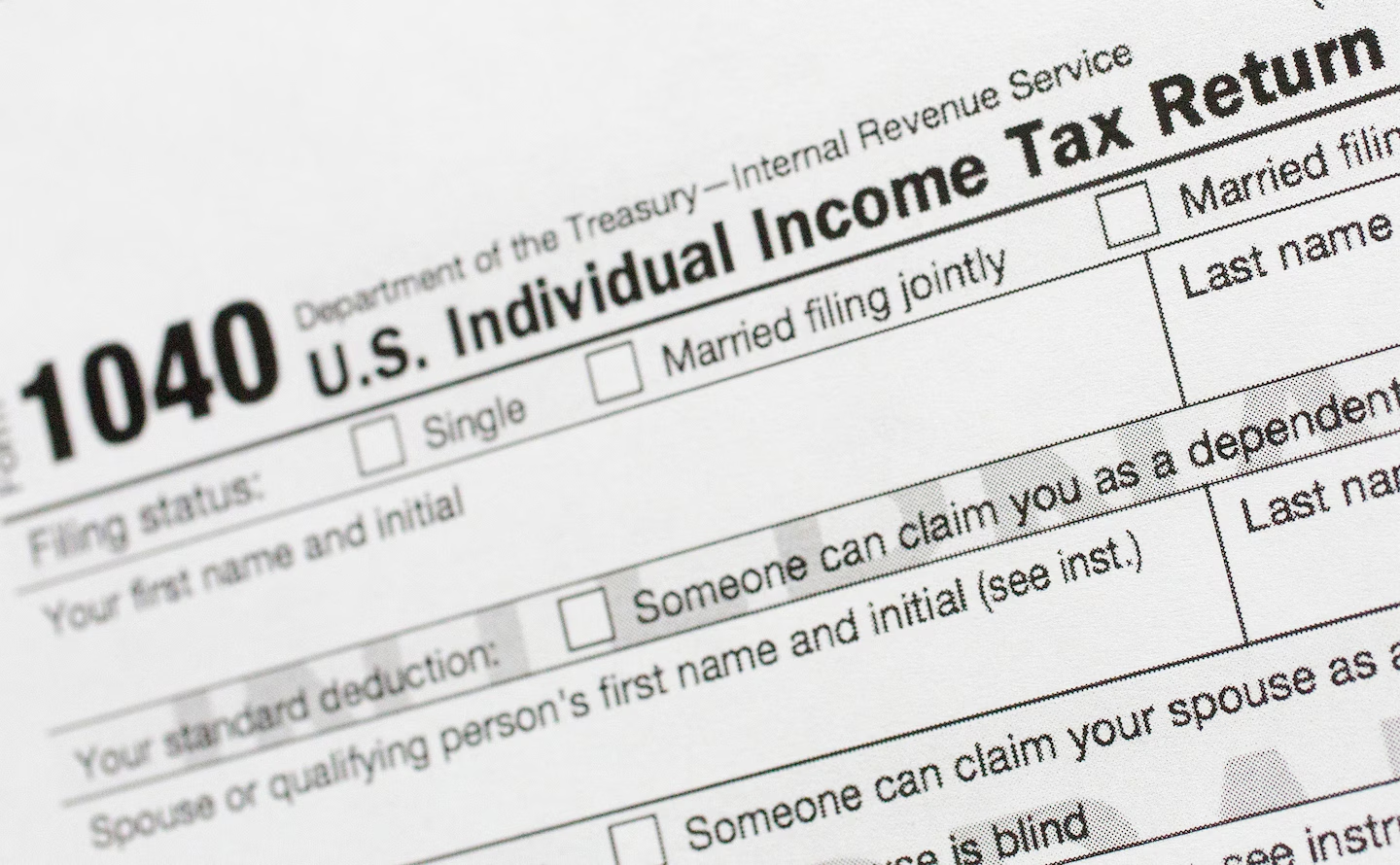
As the 2026 tax filing season continues, millions of Americans are beginning to receive income tax refunds through bank deposits or mailed checks. Early information from the Internal Revenue Service indicates that refund amounts are somewhat higher than they were at the same time last year. On average, refunds have increased by around 11 percent, which is roughly $360 more than the previous year’s early-season average. While the increase is noticeable for many taxpayers, the exact refund amount still depends on individual income, deductions, and tax payments made during the year.
Role of the 2025 Tax Law Changes
Supporters of the current administration say the higher refunds are connected to provisions included in a major tax law passed in 2025. Some elements of the legislation were designed to apply retroactively from the beginning of the year. Because of this approach, taxpayers filing their returns in 2026 may benefit immediately from certain tax reductions. These include changes affecting income from tips and overtime, interest deductions related to some car loans, and adjustments involving Social Security taxation. Lawmakers intentionally structured several of these provisions so taxpayers could see their effects directly during the filing season.
Why Tax Refunds Attract Public Attention
Tax refunds often receive significant attention because they arrive as a single payment rather than small changes throughout the year. When tax reductions appear gradually in paychecks, many people may not notice them clearly. Refunds, however, arrive all at once and can feel like a financial bonus. Because of this, tax refund season becomes one of the few moments when government tax policy is visible to a large number of citizens. Analysts say this is why political leaders sometimes highlight refund increases as proof that economic policies are benefiting taxpayers.

Economic Sentiment and Public Opinion
Despite the increase in refunds, many Americans remain concerned about the overall economy. Surveys show mixed opinions about inflation, economic growth, and government economic management. While the country has avoided a recession and certain economic indicators remain stable, rising living costs continue to affect many households. This means that larger refunds alone may not significantly change how people feel about their financial situation.
Historical Examples of Direct Financial Benefits
Using direct financial payments or tax rebates to influence economic conditions is not a new strategy in the United States. Several past administrations from both political parties have used similar approaches. Examples include tax rebates during economic slowdowns, stimulus checks during financial crises, and direct payments issued during the COVID-19 pandemic. These measures are often designed to increase consumer spending and provide short-term financial support for households.
Conclusion
The 2026 tax filing season is showing signs of moderately larger refunds for many taxpayers, partly due to tax policy changes introduced in recent legislation. While the increases are noticeable, discussions continue about the broader impact of these policies on the economy and public opinion. For many households, receiving a larger refund provides welcome financial relief, even as economic debates continue across the country.

Disclaimer: This article is provided for informational purposes only and is based on publicly available reports and early tax filing data. Tax refund amounts and eligibility for deductions depend on individual financial circumstances and official IRS rules. Readers should consult the Internal Revenue Service or a qualified tax professional for accurate and updated guidance regarding their personal tax situation.